
What is the difference between Δ8-THC and Δ9-THC?
Synthetically produced cannabinoid may be the OTC choice for some patients
A clinical trial published in the journal Drug and Alcohol Dependence this month evaluated how two
forms of THC—Δ8-THC and Δ9-THC—affect people when taken orally. THC, or tetrahydrocannabinol, is the main compound in cannabis that causes psychoactive effects. While Δ9-THC is the more commonly known and studied form, Δ8-THC is a less potent isomer that's gaining popularity in various hemp-derived products.
Δ8-THC occurs naturally in cannabis in small amounts. However, most commercially available products contain Δ8-THC that is synthesized chemically from cannabidiol (CBD). It is structurally similar to Δ9-THC. Notably, this similarity Δ8-THC products carry a high risk of causing a positive result for marijuana metabolites on a urine drug screen.
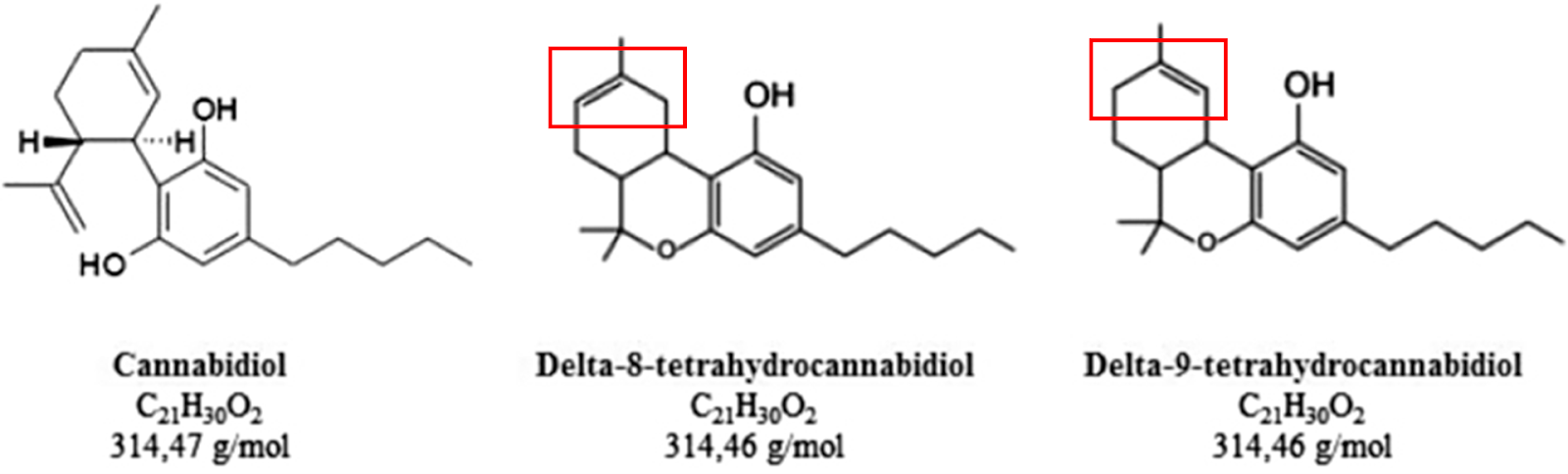
Study Overview
Researchers conducted a study with healthy adult participants to compare the effects of Δ8-THC and Δ9-THC. Each participant received both compounds in a controlled setting, allowing for direct comparison within the same individuals. The study measured subjective experiences (like cognitive effects) and pharmacokinetic data (how the body metabolizes and eliminates these compounds).
Key Findings
Subjective Effects: Both Δ8-THC and Δ9-THC produced noticeable psychoactive effects. However, Δ8-THC's effects were generally milder and less intense compared to Δ9-THC. Participants reported feeling less anxious and more clear-headed with Δ8-THC.
Pharmacokinetics: Δ8-THC resulted in lower concentrations of the psychoactive metabolite 11-hydroxy-THC (11-OH-THC) compared to Δ9-THC. This could explain the milder effects experienced with Δ8-THC.
Safety and Tolerance: Both compounds were well-tolerated by participants, with no serious adverse effects reported. However, some individuals experienced mild side effects like dizziness or dry mouth, more commonly with Δ9-THC.
Implications
The findings suggest that Δ8-THC could be a viable alternative for individuals seeking the therapeutic benefits of THC without the intense psychoactive effects associated with Δ9-THC. This could be particularly beneficial for patients who are sensitive to THC or new to cannabis-based medication.
However, it's important to note that while Δ8-THC shows promise, more extensive research is needed to fully understand its long-term effects, optimal dosing, and potential therapeutic applications. Furthermore, there is very little quality regulation in the industry of hemp-derived cannabinoids. Patients should select brands that voluntarily submit to quality and potency laboratory analysis and make certificates of analysis readily available.
Conclusion
This study provided insight into how Δ8-THC and Δ9-THC differ in their effects on the human body. With Δ8-THC offering a milder experience, it suggests there may be a broader use for patients seeking ‘over-the-counter’ cannabinoid therapy, pending further research.
_ _ _
Zamarripa CA, Spindle TR, Schriefer D, et al. A within-subject cross-over trial comparing the acute effects of oral delta-8-tetrahydrocannabinol and delta-9-tetrahydrocannabinol in healthy adults. Drug and Alcohol Dependence, 2025:112676. DOI: 10.1016/j.drugalcdep.2025.112676.
Image credit: Tennessee Poison Center. https://www.vumc.org/poison-control/toxicology-question-week/june-24-2022-could-over-counter-cbd-or-delta-8-supplements-cause-positive. Published June 204, 2022, accessed April 19, 2025.